Gauteng Traffic Signals Repair Programme Gains Momentum - 36-Month Rollout Underway
Gauteng - The Gauteng Department of Roads and Transport's (GDRT) provincial traffic signals repair and restoration programme is gaining momentum, with contractors appointed last month now on site at multiple priority intersections.
Images may be subject to Copyright.
Gauteng - The Gauteng Department of Roads and Transport's (GDRT) provincial traffic signals repair and restoration programme is gaining momentum, with contractors appointed last month now on site at multiple priority intersections.
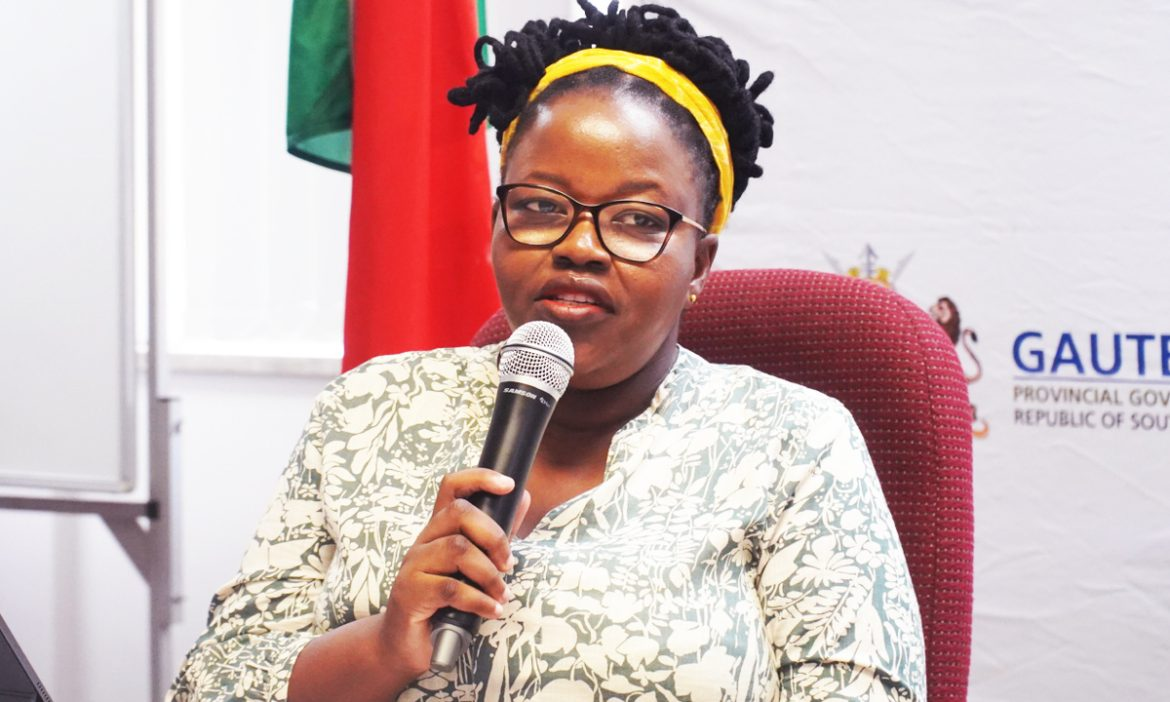
MEC Kedibone Diale-Tlabela has called on communities and road users to help protect road infrastructure from theft and vandalism.
The programme will be implemented over the next 36 months and focuses on restoring vandalised infrastructure, modernising traffic signals, and strengthening protection and management of critical assets.
Contractors have commenced restoration work at priority intersections, with further interventions scheduled across key development corridors and strategic routes.
FIVE FOCUS AREAS:
1. Installation of new traffic signals at intersections where infrastructure has been completely vandalised
2. Establishment and operationalisation of the Provincial Transport Management Centre (TMC)
3. Upgrading of existing traffic signals
4. Retrofitting existing assets with modern technologies and enhanced security measures
5. Maintenance and repair of existing traffic signal infrastructure
The programme aims to deploy latest technology while addressing cable theft, infrastructure vandalism, illegal connections and damage from vehicle collisions.
"Public infrastructure theft and vandalism place an unnecessary financial burden on the provincial coffers through costly repairs and restoration work," said MEC Diale-Tlabela.
"As the Department undertakes this restoration programme, we are calling on all road users, communities, motorists, bikers, cyclists, pedestrians and runners to stand with us in protecting these critical assets. If you see or witness suspicious activity, theft or vandalism, kindly report it to the authorities."
"These criminal acts affect every commuter, every motorist and every community that depends on safe and reliable roads and public transport systems," she concluded.
Gauteng has more than 4 500 signalised intersections, of which GDRT is responsible for 547. The remainder fall under municipalities.
Progress updates will be provided. For enquiries: Ms Melitah Madiba 073 644 9935 or Mr Lesiba Mpya 078 450 9841 or pressoffice.gpdrt@gauteng.gov.za
WHAT IT MEANS FOR THE PEOPLE OF GA-RANKUWA:
1. Daily Commute Safety: Residents travelling daily on R80 Mabopane Highway, R566 Rosslyn Road, Molefe Makinta, Lucas Mangope Drive, and intersections around Ga-Rankuwa Hospital, Rankotea, Medunsa - faulty or dark robots cause accidents, long queues and hijacking risk at night. This 36-month programme means those intersections on provincial routes will be prioritised for repair and upgraded with security to prevent repeat theft.
2. Taxi and Bus Operations: Taxi operators and bus drivers using Ga-Rankuwa to Pretoria CBD, Rosslyn, Mabopane and Soshanguve corridors depend on working signals for flow. Non-functional robots mean traffic officers need to be deployed - often not available - causing delays for workers clocking in at 06:00.
3. Cable Theft - Community Watch: GDRT admits cable theft is main cause. In Ga-Rankuwa, community members and CPF must report vandalism. If you see digging near robots at night or exposed cables, report to GDRT or SAPS or City of Tshwane - it saves lives.
4. Pedestrians and Learners: School children crossing near Rukamo, Ditlhare, Modiri Technical, Ga-Rankuwa schools face high risk when robots are off. Upgrading with modern tech and TMC monitoring should improve pedestrian phases.
5. What Ga-Rankuwa Must Demand: While GDRT handles 547 intersections, most robots inside Ga-Rankuwa fall under City of Tshwane. Residents should ask both GDRT and Tshwane to publish list of priority intersections in Zone 1-16, Mabopane, Winterveld to track delivery.
If your intersection robot has been off for months, send location to TMGNEWS and we escalate.
Source: Gauteng Department of Roads and Transport / #ServicedeliveryZA